

Skip to content
SAP Platinum logo
SAP Platinum logo

Your ERP can do more. We make it smart.

Automating Logistics Processes with AI

From inventory management to shipping: Use AI to automate logistics processes, plan deliveries more effectively, and ensure transparency regarding orders, inventory, and shipping processes at all times.
AN Group KI Header Video Logistik | ANG

Others talk about AI. We integrate it into your processes.

From Reactive Logistics to Proactive Management

Deliveries, inventory levels, and shipping processes are constantly changing. AI helps identify patterns early on, highlight risks, and make decisions based on up-to-date data.
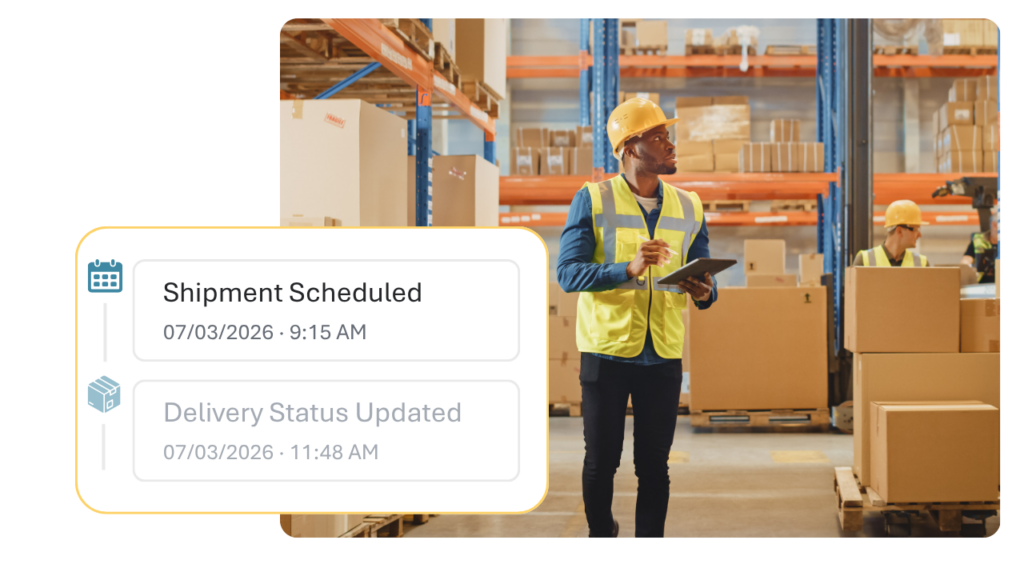
AI for Warehousing and Logistics with SAP Business One, Mobile Data Collection, and Intelligent Inventory Optimization

Make better decisions in logistics and delivery—based on up-to-date data, intelligent analytics, and automated processes.

Instead of simply reacting to delays, bottlenecks, or inventory issues, AI continuously analyzes inventory levels, delivery dates, shipping processes, and operational workflows. Priorities are automatically identified, critical developments are highlighted early on, and recommendations for action are provided.

This results in a logistics system that is not merely executed but actively managed. Companies create transparency regarding orders, inventory, and deliveries, increase their delivery capacity, and establish the foundation for informed decisions throughout the entire delivery process.

Manage Deliveries Effectively

Use up-to-date data to better coordinate shipping processes, monitor deliveries transparently, and reliably meet deadlines.

Making Warehouse Processes More Efficient

AI helps analyze inventory movements, optimize inventory management, and accelerate processes throughout the supply chain.

Identifying Supply Bottlenecks Early

Identify risks and delays before they affect customers or processes, and respond promptly to critical developments.

Intelligently Connecting Logistics Data

Integrate inventory, shipping, orders, and customer information into a single database to make informed decisions.

Improve delivery capacity. Automate processes.

Intelligently Managing Logistics Processes with AI

Use AI to optimize your warehousing, shipping, and delivery processes in a targeted manner. Identify bottlenecks early on, automate operational workflows, and ensure transparency regarding inventory, orders, and deliveries.
Manage inventory transparently and ensure availability
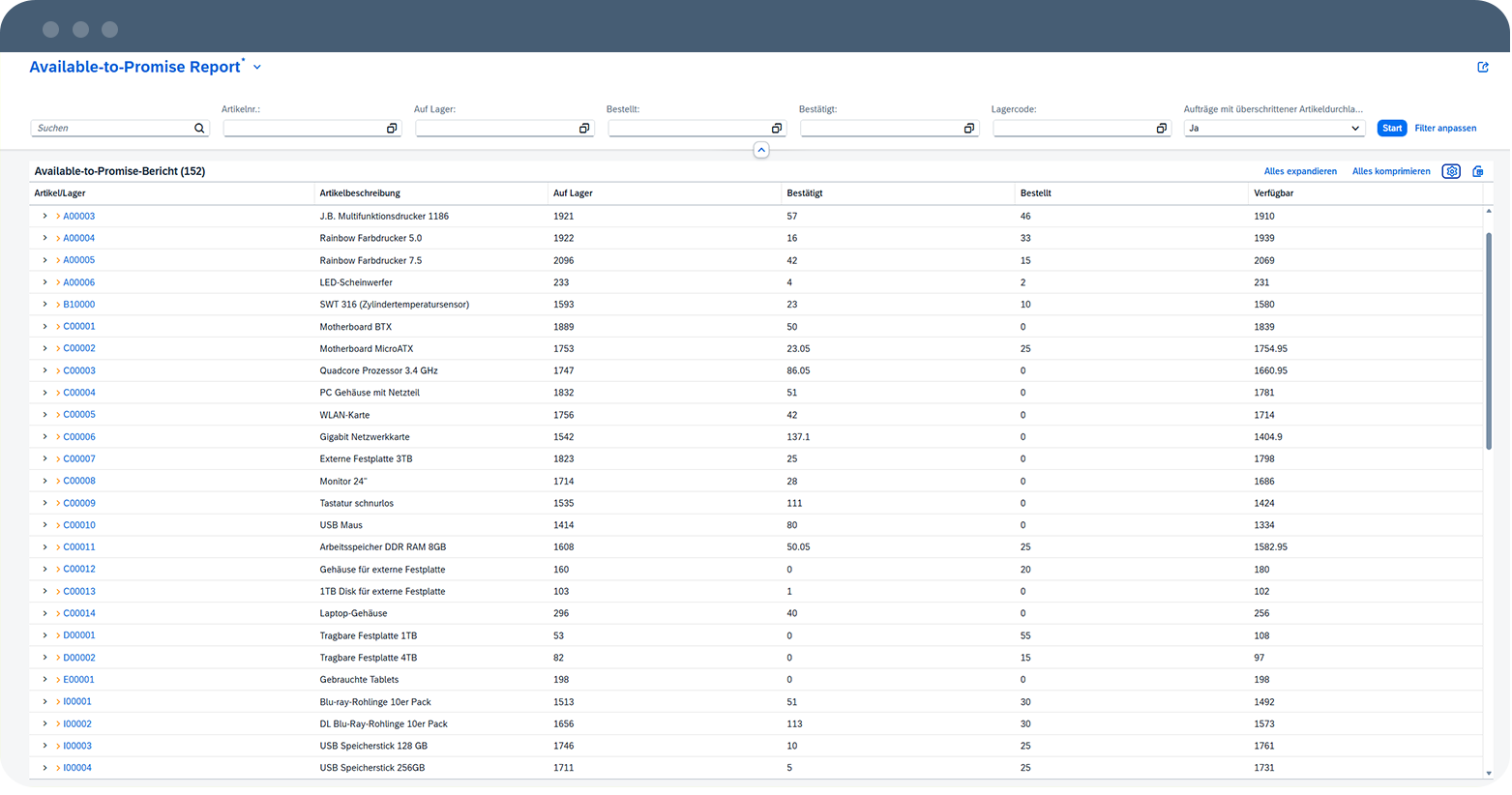
Inventory forms the foundation of an efficient logistics system. AI helps analyze inventory levels, identify critical trends early on, and optimize inventory management.
Plan and Coordinate Deliveries Efficiently
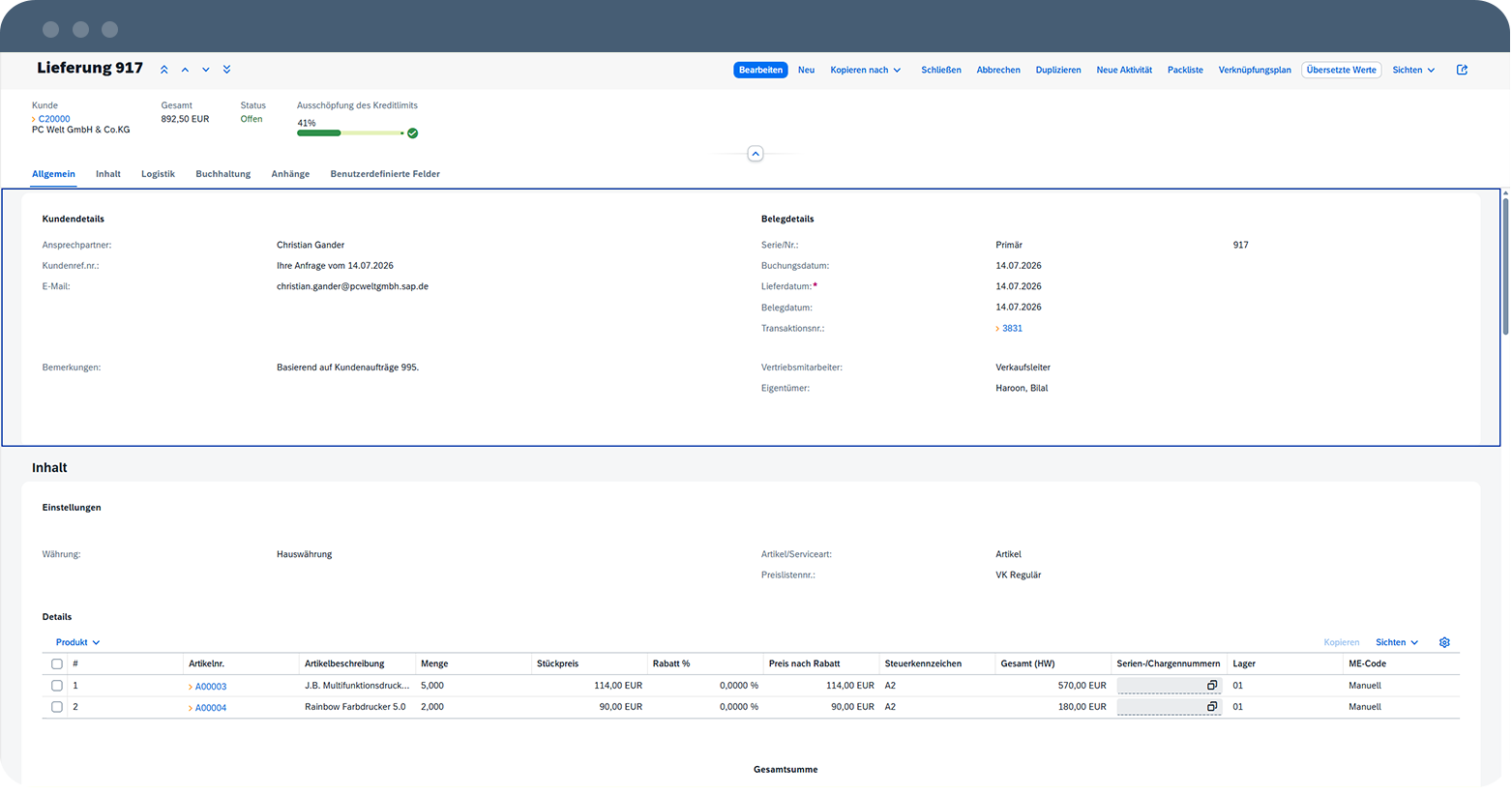
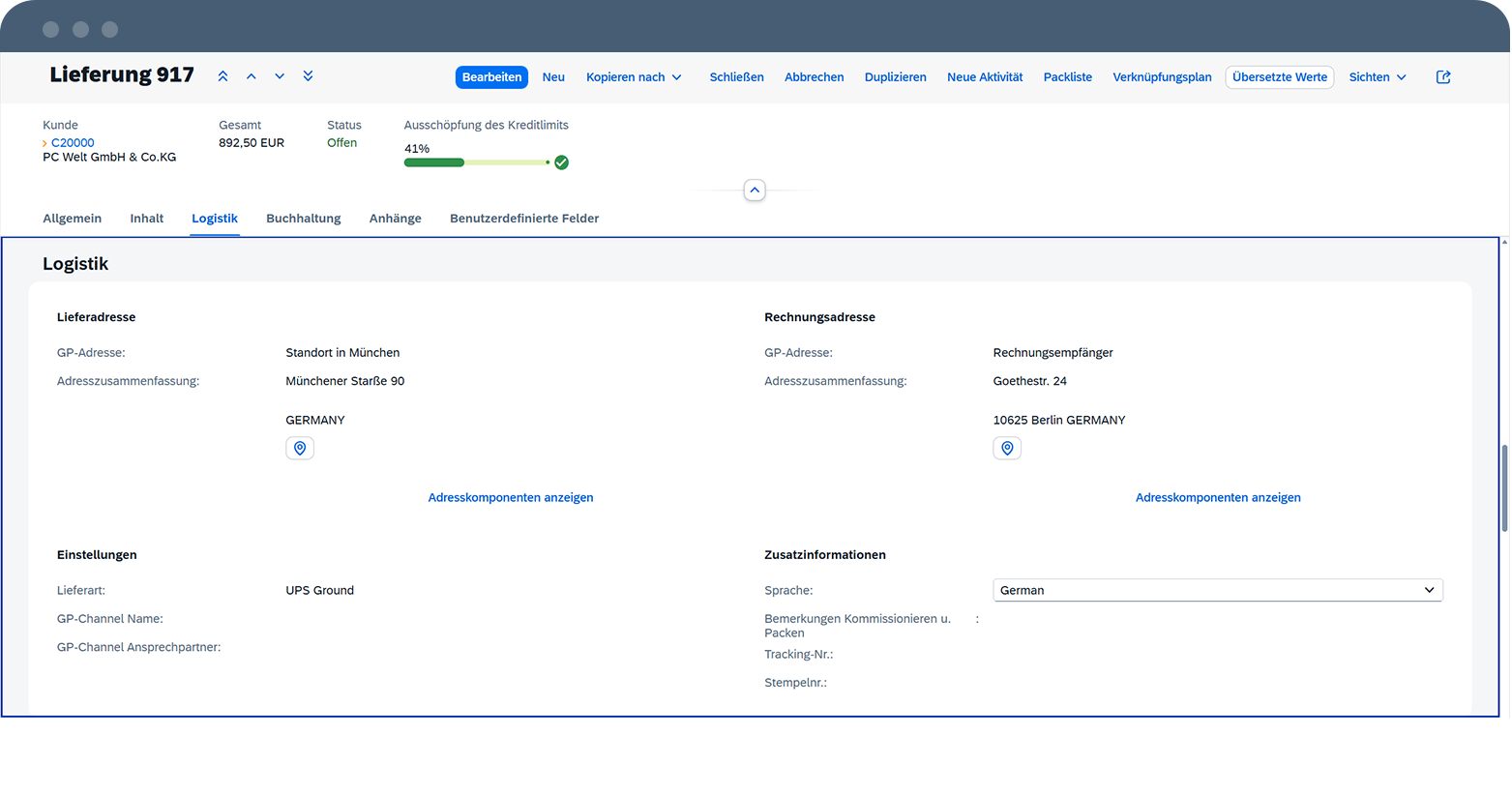
Manage shipping processes based on up-to-date data and ensure transparency regarding shipments, deadlines, and priorities. AI helps identify critical issues early on and streamline shipping processes.
Deliver customer orders faster and more reliably
The last mile often determines customer satisfaction and service quality. AI helps manage deliveries more efficiently, optimize resource allocation, and identify risks early on.
Intelligently Analyzing Logistics Data
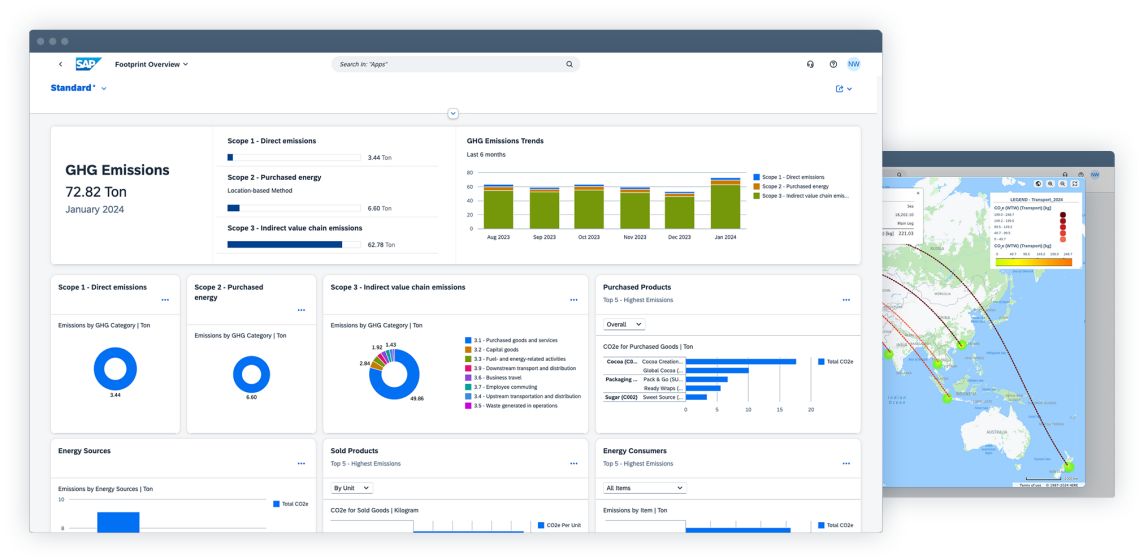
Actively use your ERP data to optimize warehousing, shipping, and delivery processes. AI identifies patterns, bottlenecks, and opportunities, and provides new insights into operational workflows.

From Reactive Logistics to Proactive Management

Many companies only take action when deliveries are delayed, inventory is running low, or processes come to a standstill. AI lays the foundation for proactive management of logistics and delivery processes. Instead of merely reacting to current events, AI continuously analyzes inventory, orders, delivery dates, and operational processes. Risks are identified earlier, resources are allocated more effectively, and decisions are made based on up-to-date data. AI provides support precisely where time is currently being lost:

AI does not use isolated data, but instead accesses your existing ERP data in SAP Business One directly.
AdobeStock 646949422 | ANG
ANG Image Asset No 120 | ANG

From Operational Execution to Active Logistics Management

With automated and AI-driven processes, logistics is evolving from an operational function to an active management area. Inventory, shipments, and warehouse movements are not only documented but also continuously analyzed. Risks are identified earlier, priorities are automatically recognized, and decisions are supported by up-to-date data.

This gives companies greater transparency into their logistics processes and lays the foundation for more reliable and efficient order fulfillment. For logistics, operations, and management, this means:

AI in the Logistics Process—Thinking Outside the Box

AI Use Cases for Modern Logistics and Delivery Processes

📦 Smart Inventory Monitoring
Inventory levels, coverage, and inventory movements are analyzed and continuously evaluated.
🚚 Prioritize deliveries
Orders are evaluated based on priority, shipping dates, and customer requirements.
⚠️ Identify supply bottlenecks early on
Risks are identified based on current inventory, order, and delivery data.
📈 Forecast delivery dates
Historical data and current developments are factored into the planning of future shipments.
📊 Analyze shipping and inventory data
Patterns, bottlenecks, and opportunities for optimization are automatically identified.
🛣️ Optimize delivery routes
AI evaluates delivery targets, routes, and capacities and supports more efficient scheduling.
📊 Analyze inventory and shipping data
Patterns, bottlenecks, and opportunities for optimization are automatically identified and visualized.
🏭 Optimize Order Picking
Picking processes are supported intelligently, priorities are set automatically, and walking distances are reduced.
📍 Track shipments in real time
Delivery status, delays, and critical events are automatically monitored and made visible.
🚚 Plan Routes Smartly
AI analyzes orders, delivery areas, and capacities, and helps optimize route and resource planning.
📦 Automate Returns

Reasons for returns are identified, processes are automatically classified, and further processing is expedited.

🤖 Automatically process customer inquiries

AI automatically processes delivery status inquiries, shipping information, and standard requests, thereby reducing the workload on customer service.

// References

How Companies Manage Logistics Processes More Intelligently

From transparent inventory management to automated workflows and data-driven analytics: These companies use SAP Business One as the foundation for modern logistics processes.
Haus Global Clearance Solutions AG | ANG
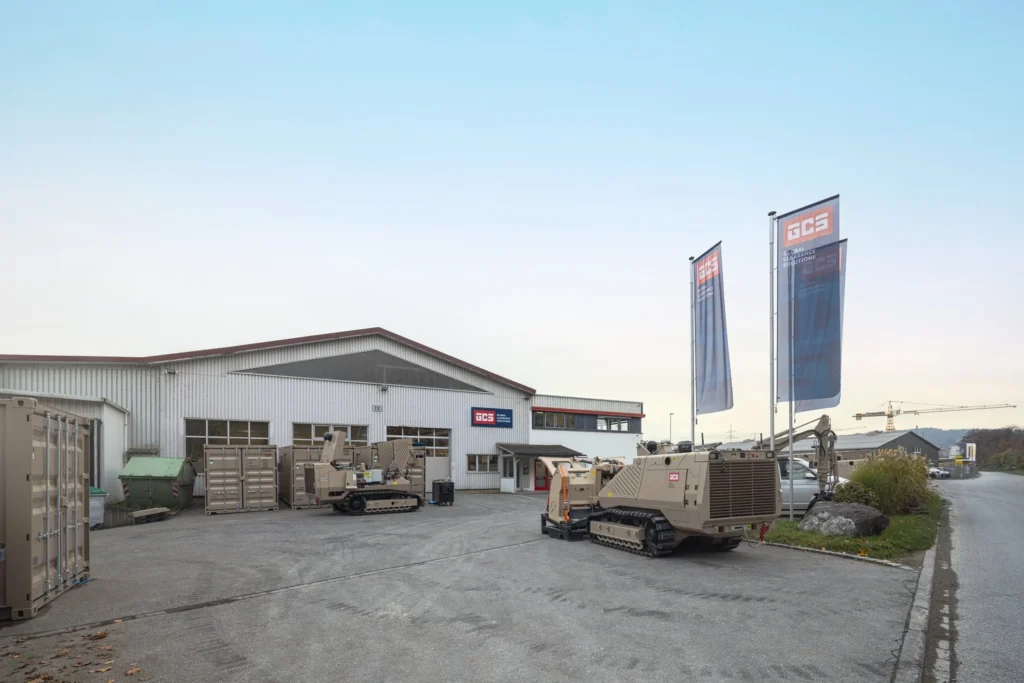
Global Clearance Solutions AG: Intelligently Connecting Complex Logistics Processes
SAP Business One integrates project, production, and business processes into a single database. This results in transparent workflows, greater delivery capability, and improved control over logistics processes.
Photo 2 | ANG
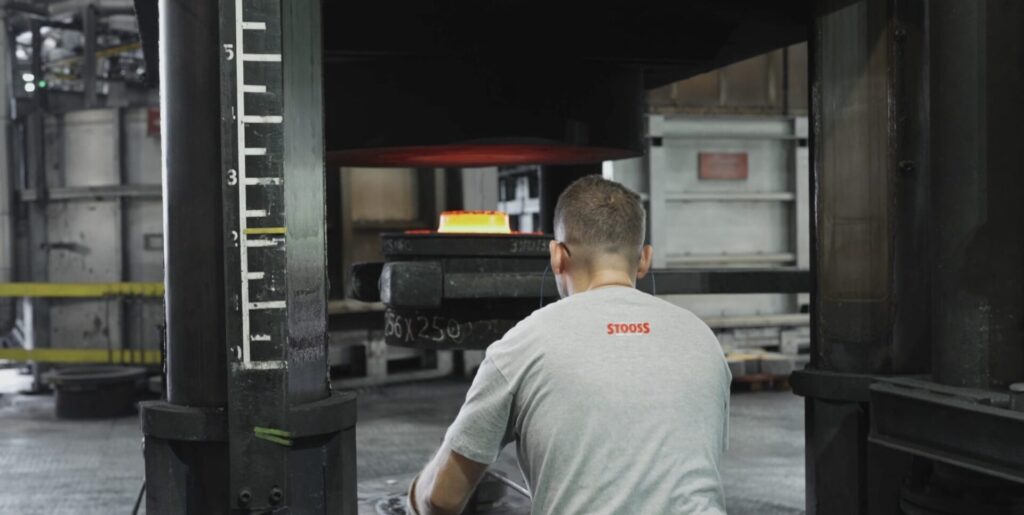
Stooss AG Forge: Stooss AG Forge
Through digitized processes and up-to-date company data, Schmiedewerk Stooss lays the groundwork for more efficient operations, greater transparency, and better management of resources and material flows.
RINCO ULTRASONICS AG 02 | ANG
RINCO Ultrasonics AG: Intelligently Connecting International Processes
A centralized database provides transparency across processes, resources, and business units. This creates the conditions for data-driven analysis, more efficient workflows, and well-informed decisions.

What is a logistics management system?

A logistics management system helps companies centrally manage inventory, shipping, deliveries, and logistics processes. It provides transparency regarding inventory levels, orders, and delivery processes, and ensures the efficient coordination of operational processes.

Modern logistics management systems expand on these functions with AI-powered analytics, forecasting, and automation. Supply chain bottlenecks are identified earlier, inventory is managed more intelligently, and decisions are supported by up-to-date data.

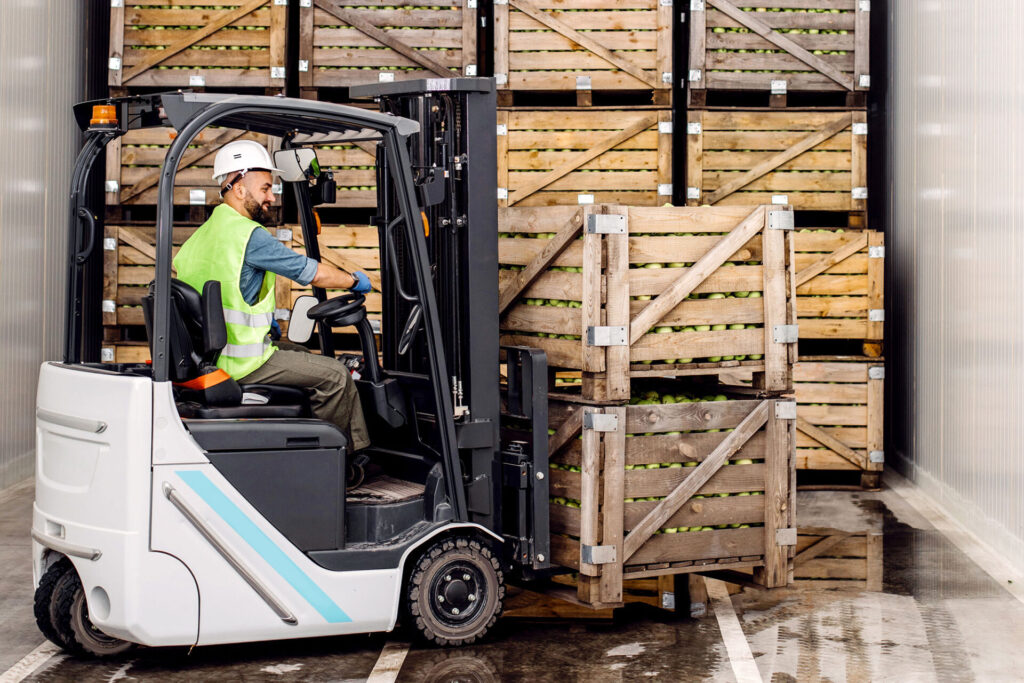
Modern warehouse work on forklift industry and organic agribusiness. Smiling millennial man in helmet in forklift lifts up green apples in container on shelves with many wooden crates | ANG

From the idea to implementation

Tailored Solutions for Smart Warehousing & Logistics

From inventory management to shipping and delivery, AI analyzes data in real time, identifies risks early on, and supports proactive management of your operational processes.
Lager Maenner gehen in Lagerhalle entlang | ANG
Mobile Warehouse Operations
Intelligently Managing Mobile Warehouse Processes
Use AI to analyze inventory, prioritize deliveries, and continuously optimize operational processes. Risks are identified earlier, decisions are more informed, and processes can be managed more efficiently.
ELO Digital Office and SAP Business One
ELO Digital Office
Integrating Delivery Slips and Logistics Documents
Link inquiries, orders, and service processes on a central platform. AI-powered workflows help speed up processes and automatically provide relevant information.
ANG Image Asset No 131 | ANG
AI Mail-to-Order
Integrate customer inquiries directly into processes
AI analyzes incoming emails, identifies relevant information, and automatically transfers inquiries to SAP Business One. Information is processed in a structured manner, and follow-up processes are triggered immediately.
ANG Image Asset No 115 | ANG
ANG Service Portal
Digitally Expanding Service and Delivery Processes
Consolidate inquiries, service cases, and processes on a central platform. Information is available in a structured format, enabling faster response times and greater transparency regarding ongoing processes.

Rethinking Logistics – with AI

Harness the potential of your existing systems and strategically enhance your warehousing, shipping, and delivery processes.

Together, we’ll identify where AI can have the greatest impact on your logistics—from inventory analysis and delivery prioritization to the predictive management of your operational processes.